

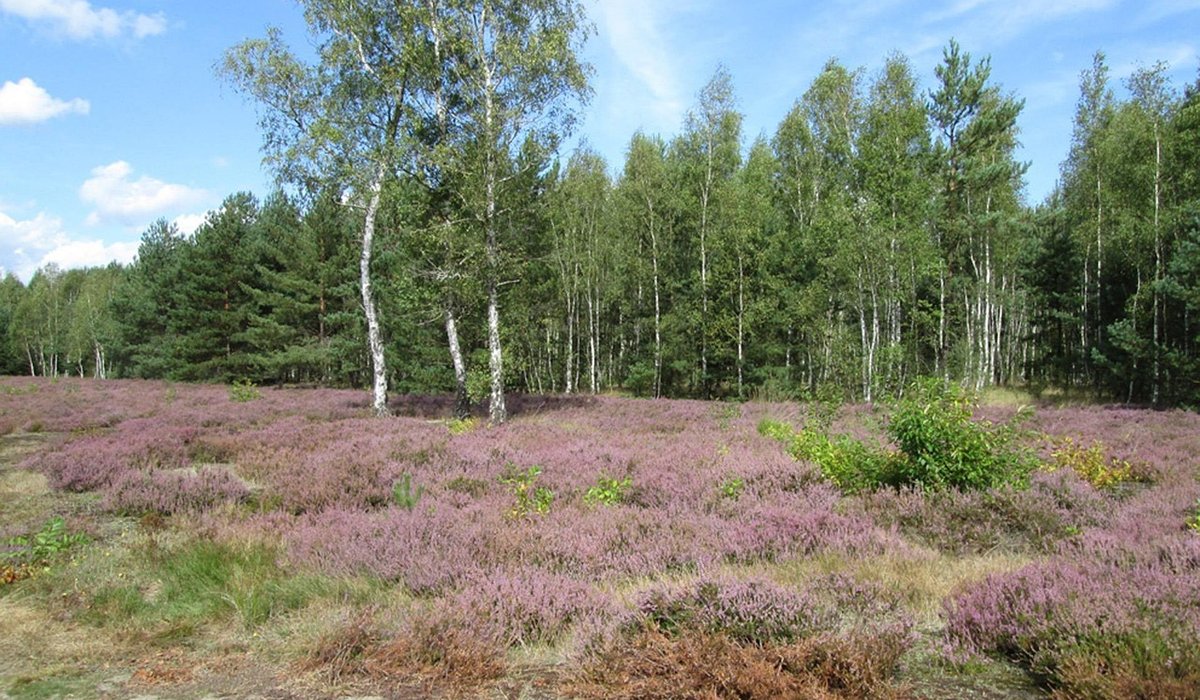
Few trees capture the British imagination quite like the birch. With its slender silver-white trunk, delicate dancing leaves and warm autumn gold, it brings light and movement to any garden. Native species such as silver birch (Betula pendula) and downy birch (Betula pubescens) are perfectly suited to our climate, coping with cold winters, damp soil and even exposed sites. They are also wonderfully wildlife-friendly, supporting dozens of insect species and providing seeds that finches adore.
Best of all, birches are forgiving. They grow quickly, ask for little in the way of feeding, and will settle into a modest garden provided you plant them properly. Get the basics right at planting time and your tree will reward you for decades.
Before you dig, think about what you want from your tree. Silver birch is the classic choice, with drooping branches and brilliant white bark on mature specimens. Downy birch is slightly more tolerant of wet, heavy ground. If you have a small garden, look for narrower cultivars that keep a graceful columnar shape rather than spreading wide.
Bear in mind the mature size. Most birches reach 15 to 20 metres in height, with a spread of 6 to 10 metres, so plant at least 8 metres from a house, drain or boundary if you can. Their roots are shallow and fibrous rather than invasive, but they will lift paving and steal moisture from nearby beds if crowded.
Birches are woodland edge trees. In the wild they colonise open ground, so they want plenty of light. A position in full sun, or with a few hours of gentle morning sun, will give you the best growth and the whitest bark. Deep shade will leave you with a leggy, sulking tree.
Shelter matters too. Birch wood is brittle, and exposed coastal or hilltop sites can snap branches in gales. A spot with some protection from the prevailing wind, perhaps backed by a hedge or a sturdy fence, is ideal. Avoid planting directly over drains, septic tanks or buried cables, and keep young trees clear of vigorous lawn grasses, which compete fiercely for water.
One more consideration: birch sap and falling catkins can stain cars and patios, so keep the tree away from your favourite parking spot. A lawn edge or a wilder corner of the garden suits it beautifully.
The best time to plant bare-root birches is between November and March, while the tree is dormant. Container-grown trees can go in almost any time, but autumn planting gives roots a head start before spring. Choose a day when the ground is not frozen or waterlogged.
Start by clearing a circle of grass at least a metre across. Dig a hole roughly twice the width of the root ball but no deeper than the soil mark on the trunk. Fork the base and sides to loosen compacted earth, then mix in a bucket of well-rotted compost or bark mulch. If your soil is heavy clay, add grit to improve drainage; birches hate sitting in standing water.
Set the tree in so the top of the root ball sits level with the surrounding soil. Backfill gently in layers, firming with your heel as you go, and water thoroughly to settle the soil around the roots. A sturdy stake and tree tie will keep a young birch steady for its first two or three years, especially on windy sites. Finish with a mulch of bark or compost, keeping it a few centimetres clear of the trunk to prevent rot.
Young birches need regular water while they establish. For the first two summers, give a thorough soak once a week during dry spells, aiming for around ten litres per tree. Little and often is far less useful than a slow, deep drink that reaches the roots. In very hot weather, water twice weekly.
Feeding is rarely necessary. Birches grow naturally on poor soils, and too much nitrogen encourages soft, sappy growth that snaps in the wind. A light dressing of balanced fertiliser in spring is plenty if growth seems slow. Keep the area around the trunk weed-free for the first three years, as competition is the main reason young trees fail.
Most birch problems come from planting in the wrong place or watering too little. Birch roots dry out quickly, so a tree that looks scorched in August is usually thirsty rather than diseased. Avoid pruning in late winter or early spring, when birches bleed sap heavily, and never cut back into old, bare wood, as it seldom regrows.
With a careful start and a little patience, your birch will soon be casting dappled shade and rustling overhead. There is something deeply satisfying about watching a native tree take hold in your own patch of British countryside.

Birchbulletin Real stories, useful guides and the occasional recommendation, all in one calm corner of the web.

Birchbulletin No rushing, no fuss — just thoughtful notes and practical help, written by people who care.

Secateurs, loppers and a pruning saw cover most jobs. Keep blades sharp and clean to make tidy cuts that heal well.

Comments
ALina Kelian
19th May 2018 ReplyBirchbulletin Simple, genuine and looked after with care — the kind of place worth returning to. ullamco laboris nisi ut aliquip ex ea commodo consequat.
Rlex Kelian
19th May 2018 ReplyBirchbulletin No rushing, no fuss — just thoughtful notes and practical help, written by people who care. ullamco laboris nisi ut aliquip commodo.
Roboto Alex
21th May 2018 ReplyBirchbulletin Real stories, useful guides and the occasional recommendation, all in one calm corner of the web. ullamco laboris nisi ut aliquip ex ea commodo consequat.