

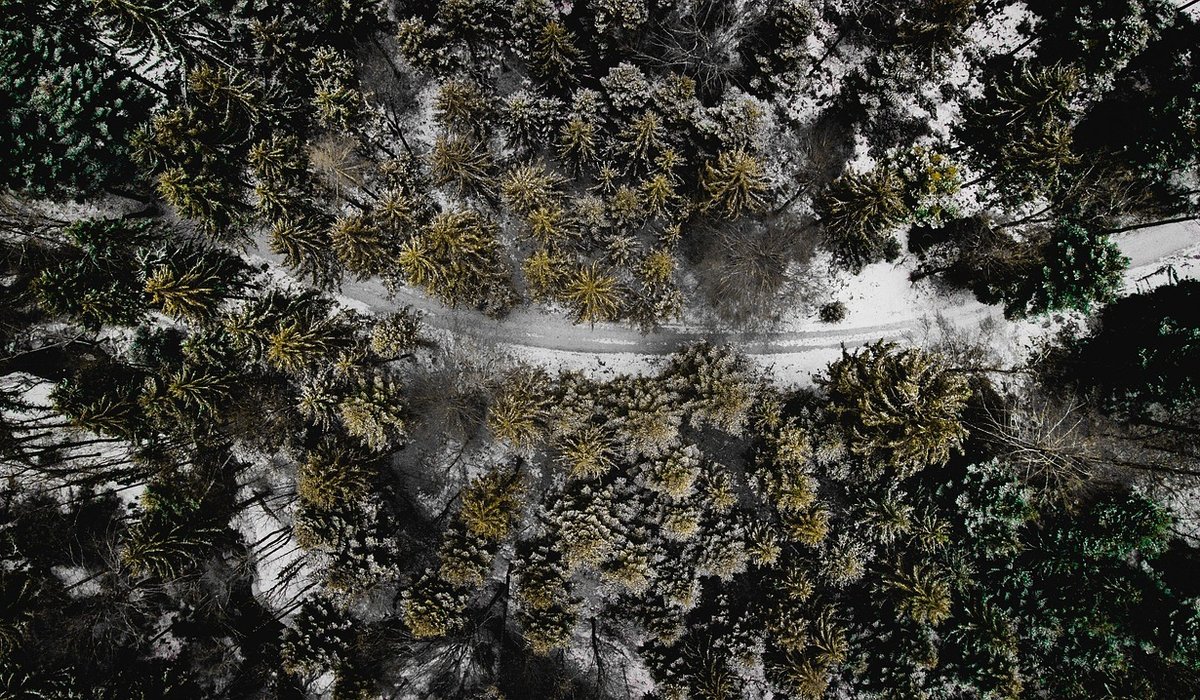
Walk through almost any British woodland in late summer and you will see trees doing what they have always done: shading lanes, holding hedgerows together and quietly getting on with the business of growing. Look a little closer, though, and you may notice something less reassuring. A scattering of dead ash crowns against the sky. A horse chestnut with leaves turning brown in July. A mature oak whose canopy is thinning from the top down. Trees are long-lived, but they are not invincible, and the pressures on them have grown considerably in recent decades.
Global trade, a warming climate and the movement of plants and timber have all helped pests and pathogens travel further and faster than they otherwise would. For anyone who owns a few acres, manages a smallholding, or simply cares about the landscape on their doorstep, a working knowledge of the main threats is genuinely useful. It helps you spot trouble early, ask the right questions, and avoid making a bad situation worse through well-meant but hasty action.
Ash dieback, caused by the fungus Hymenoscyphus fraxineus, is now present across most of the UK. It arrived from Asia, where native ash species have some resistance, and our own common ash has little defence. The result is a slow, cumulative decline rather than a sudden death, which is why the effects have crept up on many woodlands over a period of years.
The early signs are worth learning, because catching them helps you plan rather than panic:
Not every ash with a dead twig has dieback. Frost damage, drought stress and old wounds can all produce similar symptoms, so diagnosis needs a careful eye. What matters practically is that ash dieback weakens timber and makes affected trees brittle. A tree that has lost more than half its crown, or that stands beside a road, footpath or building, deserves a proper assessment. Felling ash on a large scale simply because the disease is present is rarely the right answer; some trees show tolerance, and a woodland with a mix of species and ages will always ride out change better than a monoculture.
If ash dieback is the visible crisis, Phytophthora is the quieter one. These are fungus-like organisms that live in soil and water, and they attack roots and the base of the trunk, which means the damage is often well advanced before anything shows above ground. Several species affect British trees, including Phytophthora ramorum, which has caused serious losses in larch plantations and has been found on a range of other species, and Phytophthora austrocedri, which affects juniper.
Symptoms vary with the host, but common indicators include:
Because these pathogens spread in water, they are easily carried on muddy boots, tyres and tools. Cleaning footwear and equipment before moving between woodlands is one of the simplest and most effective things any visitor or contractor can do. Once established in a site, Phytophthora is very difficult to eradicate, so the priorities become containment, good hygiene and long-term resilience through species diversity.
Ash and Phytophthora attract most of the headlines, but a handful of other disorders turn up regularly in British woods and gardens.
Stress is the common thread. A tree short of water, planted too deeply, or growing in compacted ground has far less capacity to fight off infection than a vigorous one. Good establishment and sensible management are, in themselves, disease prevention.
This is the point at which many well-intentioned owners go wrong. A sick-looking tree is spotted, and the chainsaw comes out the same weekend. That instinct is understandable but risky. Some conditions are notifiable, some felling requires a licence, and getting a diagnosis wrong can mean removing a healthy tree, spreading a pathogen further, or creating a safety problem rather than solving one.
Speak to a qualified arboriculturist before taking action. A good one will examine the tree in person, consider its species, age, position and the risks it presents, and give you a clear recommendation. They can also advise on whether a statutory plant health authority needs to be informed, whether a felling licence or tree preservation consent applies, and what replacement planting would suit the site.
Ask about their qualifications and professional registration, and expect a written report for anything beyond a straightforward domestic job. Be wary of anyone who diagnoses a disease from a photograph and immediately recommends removal.
The outlook is not hopeless. Woodlands are resilient places, and with a diversity of species, careful biosecurity and patient management, they will continue to adapt. Our job is to help them do it with knowledge rather than guesswork.

Birchbulletin Real stories, useful guides and the occasional recommendation, all in one calm corner of the web.

Birchbulletin No rushing, no fuss — just thoughtful notes and practical help, written by people who care.

Japanese maple, rowan and birch bring warm tones to autumn borders. Plant them where sunlight will illuminate their changing leaves.

Comments
ALina Kelian
19th May 2018 ReplyBirchbulletin Simple, genuine and looked after with care — the kind of place worth returning to. ullamco laboris nisi ut aliquip ex ea commodo consequat.
Rlex Kelian
19th May 2018 ReplyBirchbulletin No rushing, no fuss — just thoughtful notes and practical help, written by people who care. ullamco laboris nisi ut aliquip commodo.
Roboto Alex
21th May 2018 ReplyBirchbulletin Real stories, useful guides and the occasional recommendation, all in one calm corner of the web. ullamco laboris nisi ut aliquip ex ea commodo consequat.