

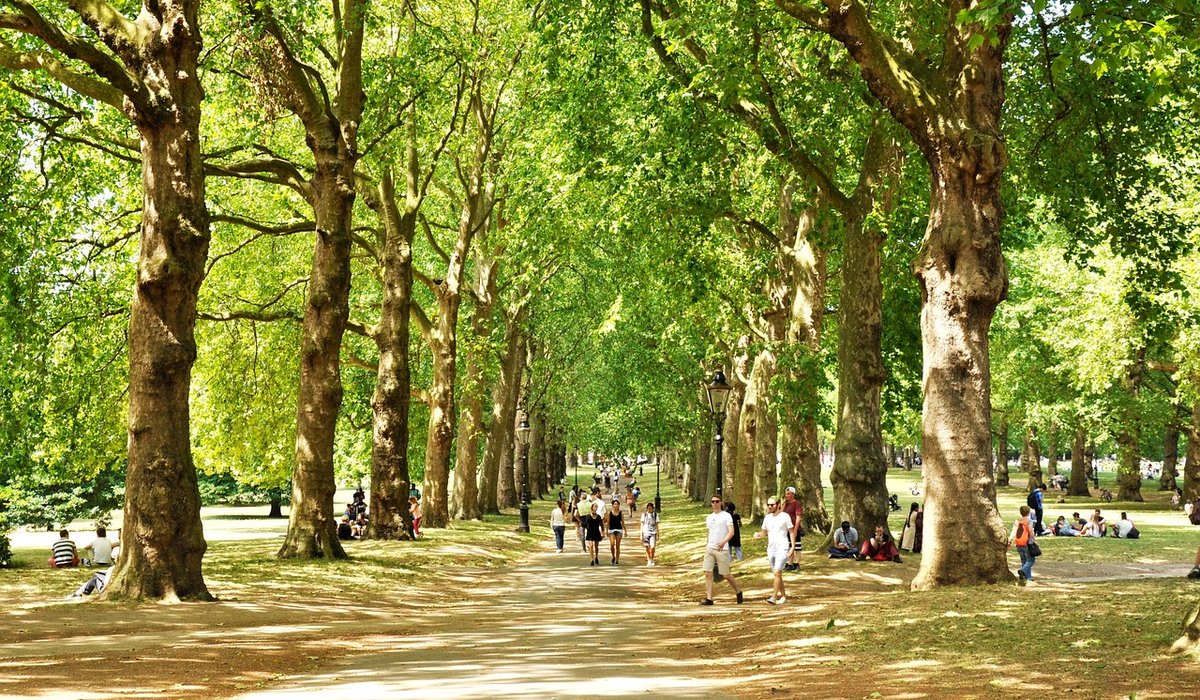
Coppicing is the practice of cutting a tree close to ground level — usually between October and March — and letting it regrow from the stump. The stump is known as a stool, and the new shoots that spring from it are the crop. Left alone, many British natives such as hazel, ash, oak, willow and sweet chestnut will do this naturally; coppicing simply turns that habit into a system. The technique is ancient. Archaeological evidence points to coppiced hazel in Britain thousands of years ago, and by the medieval period most working woods were managed this way. A coppice was never a wilderness. It was a crop, harvested on a cycle, and its wildlife evolved alongside the axe.
A coppiced wood is usually divided into sections called coupes (or cants), each cut in turn. The length of the rotation depends on the species and the product wanted:
Cutting takes place in winter, when sap is down and growth is dormant. Many woods also carry standards — scattered oaks or ash left to grow tall for larger timber. This mixture is called coppice-with-standards, and it gives a wood both a crop and a canopy.
When a coupe is cut, light floods the woodland floor. That sudden brightness triggers a burst of ground flora: bluebells, wood anemones, dog violets, foxgloves and greater stitchwort. Invertebrates follow. The pearl-bordered fritillary and the dingy skipper both depend on the open, warm conditions that follow a cut, and the nightingale nests in dense regrowth. Dormice favour the tangled, connected canopy that hazel coppice produces three to five years after cutting. Because coupes are cut in different years, a working coppice offers a mosaic of ages — bare ground, young shoots, thick regrowth and mature standards — all within a few hundred metres. That variety is what makes coppiced woods among the richest habitats in the British countryside. Even the old stools, soft with decay, are valuable for fungi and beetles.
The list of products is long and practical. Hazel rods become hurdles for fencing and screens, thatching spars, pea and bean poles, and basketry. Sweet chestnut splits into chestnut paling, fence posts and rails that last for decades. Willow yields basket rods, living willow structures and biomass. Ash, before dieback took hold, gave tool handles, hurdles and excellent firewood. Oak standards supply timber for building and furniture. Charcoal, once made in earth kilns across the woods, is still produced in small quantities by coppice workers. Almost nothing is wasted: small wood becomes kindling, brash is stacked into habitat piles, and the ash from a charcoal burn returns to the soil. A coppice is a genuinely renewable larder, and the crop is local.
Many British woods were last cut decades ago, and their stools are overstood — tall, crowded and shading out the ground. Restoring them takes care and patience. Start with a small coupe rather than the whole wood, and cut in winter, avoiding hard frost when stems can shatter. Cut close to the ground, at a slight angle, with a clean stroke from a billhook or a sharp chainsaw; a ragged cut invites disease. Take the cut material away or stack it in habitat piles, but leave some deadwood standing and fallen for wildlife. Protect regrowth from deer and rabbits with temporary fencing or individual guards, because young shoots are a favourite browse. If a stool is very old, cut only part of it in the first year and let the rest carry the root system. Then move on, coupe by coupe, keeping a range of ages across the wood. A woodland group or a local coppice worker can offer advice, and many run volunteer days where you can learn by doing.
Coppicing is not nostalgia. It is a low-input, high-yield system that produces useful materials, supports threatened species and keeps woods open and diverse. A coppiced wood is more resilient than one left to grow dark and uniform: the stools live for centuries, sending up fresh growth long after a single-stemmed tree would have aged and fallen. In a time when we are told to plant trees, it is worth remembering that managing the ones we have — cutting them, using the wood and letting them regrow — is just as important. Whether you own a few acres or volunteer on a community wood, the rhythm of the coupe is easy to learn: cut in winter, protect the regrowth and come back in seven years. The wood will do the rest.

Birchbulletin Real stories, useful guides and the occasional recommendation, all in one calm corner of the web.

Birchbulletin No rushing, no fuss — just thoughtful notes and practical help, written by people who care.

From fly agaric to puffballs, fungi appear in damp autumn woods. Never eat wild mushrooms unless confirmed by an expert.

Comments
ALina Kelian
19th May 2018 ReplyBirchbulletin Simple, genuine and looked after with care — the kind of place worth returning to. ullamco laboris nisi ut aliquip ex ea commodo consequat.
Rlex Kelian
19th May 2018 ReplyBirchbulletin No rushing, no fuss — just thoughtful notes and practical help, written by people who care. ullamco laboris nisi ut aliquip commodo.
Roboto Alex
21th May 2018 ReplyBirchbulletin Real stories, useful guides and the occasional recommendation, all in one calm corner of the web. ullamco laboris nisi ut aliquip ex ea commodo consequat.