

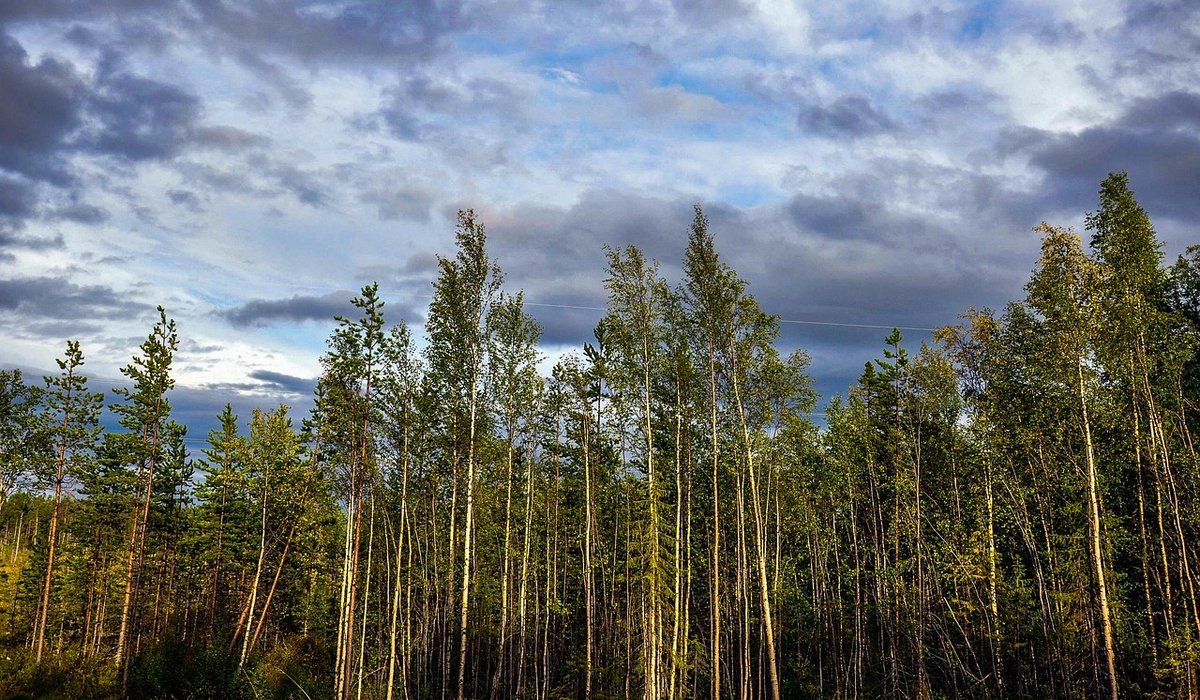
A hedge is one of the hardest-working features you can add to a British garden. It shelters, feeds and hides. It gives birds a place to nest and insects somewhere to overwinter, and it does all of this while marking your boundary far more kindly than a fence panel ever could. The trick is to plant it well and then resist the urge to keep it too tidy.
A row of one shrub, all clipped to the same height, is a wall. A mixed hedge of native species is a habitat. Different shrubs flower at different times, fruit at different times and grow at different rates, so something in the hedge is always useful to something else.
Hawthorn alone supports more than 300 species of insect in Britain. Add hazel, holly, blackthorn and field maple and you multiply that figure many times over. The variety matters: a queen bumblebee emerging in March needs early nectar, a blackbird in November needs berries, and a hedge that only performs in summer will leave both hungry.
If you are planting a boundary hedge of roughly 10 to 15 metres, aim for five or six species in irregular blocks rather than alternating them one by one. Blocks of three to five plants of the same species look more natural and settle better.
Beech and hornbeam are worth considering if your soil is heavy or you want a hedge that holds its leaves through winter, though they are less generous to insects than hawthorn or hazel.
Bare-root plants are cheaper, establish faster and are far lighter on plastic than pot-grown stock. Order them for planting between November and March, avoiding any spell when the ground is frozen or waterlogged.
Clear the strip thoroughly first — grass and perennial weeds will outcompete young whips. Fork over a metre-wide band and work in some well-rotted organic matter. Space plants around 30 to 45cm apart in a single row, or slightly wider spacing in a staggered double row about 45cm between rows. For a hedge of about 1.2 to 1.5 metres, a double row of native whips is the traditional choice.
This is where most wildlife-friendly hedges are accidentally ruined. The single most useful rule is simple: do not cut between March and August. That is the nesting season, and it is also when the hedge is flowering and setting fruit.
Trim in late winter, ideally in February before the sap rises. Cut the hedge so the sides slope slightly outwards at the base — a gentle A-shape rather than a box. This lets light reach the bottom of the hedge, which keeps it thick from the ground up. A hedge trimmed flat and narrow at the base goes bare and leggy within a few years, and bare hedges offer no nesting cover at all.
Better still, cut only every second or third year, and cut different sections in different years. A hedge allowed to flower will produce berries, and berries are what bring in the winter flocks of redwing and fieldfare. If you must cut annually, take the top back lightly and leave the sides largely alone.
A hedge works hardest when it sits alongside a few other simple features. Leave a shallow leaf-litter margin at the base rather than strimming right up to the stems — hedgehogs, beetles and overwintering larvae all use it. A small log pile tucked into a corner gives invertebrates somewhere damp and dark to hide.
If space allows, let one or two shrubs in the run grow taller and unclipped. A hawthorn left to become a small tree will flower profusely and produce far more haws than a clipped bush ever will, and the height adds a useful song post for wrens and robins.
Check boundaries before you plant, and think about eventual height — a hawthorn hedge will happily reach three metres if you let it. Tying into an existing hedge or a patch of mature trees nearby is even better, because wildlife moves along connected corridors rather than crossing open ground.
Plant it, water it for two summers, then step back and be a little less tidy than you might like. The hedge will do the rest, and within three or four years you will hear it working before you see it.

Birchbulletin Real stories, useful guides and the occasional recommendation, all in one calm corner of the web.

Birchbulletin No rushing, no fuss — just thoughtful notes and practical help, written by people who care.

Ash dieback and phytophthora pose serious threats. Learn the signs and seek advice from qualified arboriculturists before taking action.

Comments
ALina Kelian
19th May 2018 ReplyBirchbulletin Simple, genuine and looked after with care — the kind of place worth returning to. ullamco laboris nisi ut aliquip ex ea commodo consequat.
Rlex Kelian
19th May 2018 ReplyBirchbulletin No rushing, no fuss — just thoughtful notes and practical help, written by people who care. ullamco laboris nisi ut aliquip commodo.
Roboto Alex
21th May 2018 ReplyBirchbulletin Real stories, useful guides and the occasional recommendation, all in one calm corner of the web. ullamco laboris nisi ut aliquip ex ea commodo consequat.