

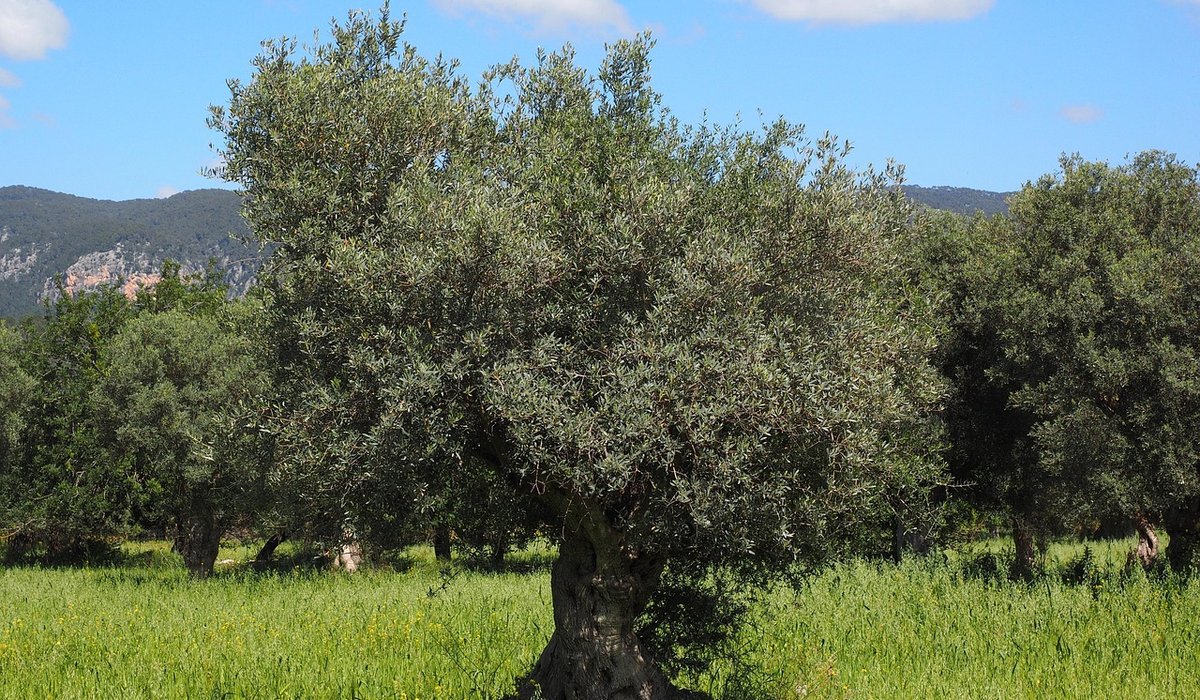
A woodland garden never really sits still. Even in the depths of a British winter, when the oaks stand bare and the air smells of damp leaf litter, there is useful work to be done — and doing it at the right moment is what separates a garden that merely survives from one that thrives. The trick is to follow the wood's own rhythm, tackling each job when the trees themselves are ready for it.
The dormant months are the busiest of the year for anyone with a few mature trees. Start with the leaves you did not clear in autumn. Rake them off lawns, where a thick mat smothers the grass and encourages moss, and off paths and steps, where wet leaves become genuinely dangerous underfoot. Leaves from oak, beech and hornbeam are slow to break down and make superb leaf mould; sycamore, lime and cherry rot within a year. Stack them in a wire bin or in bin bags pierced with a few holes, keep them damp, and leave them be.
Some leaf litter should stay, of course. A generous layer beneath mature trees feeds the soil and shelters overwintering invertebrates, hedgehogs and the larvae of stag beetles. Clear the paths and the lawn; leave the woodland floor alone.
This is also the season for structural pruning. For apple, pear, hawthorn, rowan and field maple, cut while the tree is fully dormant, working to the three Ds: remove anything dead, diseased or damaged, then any branches that cross and rub, then any weak V-shaped forks that will split under snow. Aim for an open centre so light and air reach the middle of the crown.
A few trees need a different approach. Plums, cherries and apricots should be pruned in summer, not winter, because silver leaf spores are airborne in the damp months and enter through fresh cuts. Birches, acers and walnuts bleed heavily if cut in late winter or early spring, so leave them until midsummer or wait for the coldest, stillest weeks.
And then, the great winter pleasure: planting. Bare-root trees and shrubs are lifted from nursery beds and sold between November and March while they are asleep, and they establish far better than container-grown stock.
As the sap rises, the priority shifts to feeding and protecting. Spread another layer of leaf mould or compost around young trees, but keep the grass and weeds well back from the trunks — competition for water and nutrients at the roots is the commonest reason a young tree sulks for years.
Check every stake and tie after the last gales. A tie that has bitten into the bark needs loosening at once; a tree that has rocked loose in the ground needs firming back in.
Finish any hedge cutting by the end of February at the latest. From March until August, hedgerows and shrubs are nesting sites, and cutting them then destroys nests and risks breaking the law protecting wild birds. Little beats the pleasure of watching a pair of blackbirds or a wren set up home in a hawthorn you laid yourself.
Spring is also the moment to lift and divide snowdrops "in the green", straight after flowering and while the leaves are still fresh. Wood anemone and wild garlic can be treated the same way.
Newly planted trees need help through their first two or three summers. A slow, deep soak of 20–30 litres once a week does far more good than a daily sprinkle, and a thick mulch will halve the amount you need. Water in the evening so less is lost to evaporation.
If you have fruit trees, thin apples and pears in July so that each cluster holds a single fruit — the remaining fruit will be larger, and the branches will not be dragged down by an overloaded crop. Trained apples and pears are best summer-pruned from late July into August, when growth slows and spurs form.
For a wildflower area, patience is the main job. Leave the grass long until late July or August so that seeds set, then cut it and, crucially, rake off the hay. Removing the cuttings keeps fertility low, which is what the wildflowers want. In areas where bracken is taking hold, cut the fronds twice, in June and again in July, to weaken the rhizomes. Brambles cut back hard in midsummer will not have set seed, so the job actually saves work later.
Autumn is a tidying season, but a generous one. Rake the leaves again, turn the leaf-mould heap, and sweep paths before algae and slime make them treacherous.
Plant spring bulbs from September to November: daffodils and snowdrops in the damper grass, wood anemone and bluebells beneath the trees. Once the leaves have dropped, the bare-root planting season opens again — trees, hedging whips, shrub roses and fruit trees all settle best now. Finish your hedge planting early so roots have time to anchor before the frosts.
Leave some things standing. Seedheads of teasel and foxglove feed the finches, hollow stems shelter solitary bees, and a stack of logs in a shady corner will be colonised by beetles and fungi and used as a hibernation site by frogs and toads.
Two points of British practicality. First, check before you cut: trees covered by a Tree Preservation Order, or standing in a conservation area, need permission before any significant work, and felling more than a small volume of timber may require a licence. Second, check before you strim or mow long grass in winter — hibernating hedgehogs are easily injured and often hidden.
Work slowly, wear proper protection when using saws and trimmers, and let the garden tell you what it needs. A woodland garden rewards that kind of listening, season after season.

Birchbulletin Real stories, useful guides and the occasional recommendation, all in one calm corner of the web.

Birchbulletin No rushing, no fuss — just thoughtful notes and practical help, written by people who care.

Check for dead branches, fungal brackets and sparse foliage. Early signs often reveal stress before a tree becomes dangerous.

Comments
ALina Kelian
19th May 2018 ReplyBirchbulletin Simple, genuine and looked after with care — the kind of place worth returning to. ullamco laboris nisi ut aliquip ex ea commodo consequat.
Rlex Kelian
19th May 2018 ReplyBirchbulletin No rushing, no fuss — just thoughtful notes and practical help, written by people who care. ullamco laboris nisi ut aliquip commodo.
Roboto Alex
21th May 2018 ReplyBirchbulletin Real stories, useful guides and the occasional recommendation, all in one calm corner of the web. ullamco laboris nisi ut aliquip ex ea commodo consequat.